
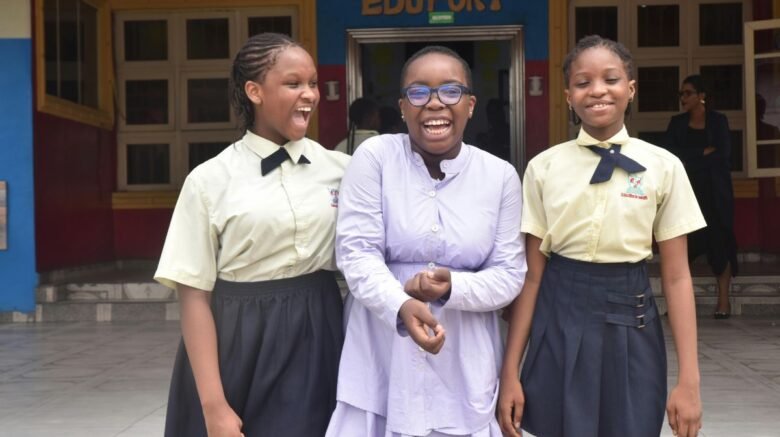
Despite global progress, girls in Africa remain disproportionately excluded from education.
The Global Picture: 129 Million Girls Out of School
According to UNESCO’s 2024 Gender Report, 129 million girls worldwide are out of school. This includes:
- 32 million girls of primary school age
- 97 million girls of secondary school age
Sub-Saharan Africa bears the heaviest burden. In many countries, only 37% of girls complete lower secondary education, and fewer than 25% complete upper secondary. These figures reflect deep-rooted structural barriers: poverty, early marriage, gender-based violence, and lack of safe, inclusive schools.
Why Girls Drop Out
Girls are more likely than boys to be pulled out of school due to:
Cultural norms that undervalue girls’ education
In conflict-affected regions, girls are 2.5 times more likely to be out of school than their peers in stable areas.
- Household responsibilities
- Menstrual stigma and lack of sanitation
- Safety concerns during travel
The Ripple Effect of Education
Educating girls is one of the most powerful tools for development. Girls who complete secondary education are:
According to the World Bank, closing gender gaps in education could add $30 trillion to global GDP over a generation.
- 3x less likely to marry before 18
- Up to 60% more likely to earn a living wage
- More likely to raise healthier children and contribute to national growth
Beyond Schooling: The Life Skills Gap
Formal education alone isn’t enough. Many girls who attend school still lack the transferable skills needed for work, leadership, and wellbeing. A 2022 UNICEF–Education Commission report found that nearly 3 in 4 youth aged 15–24 are off-track to acquire the skills needed for employment.
This includes:
- Communication
- Problem-solving
- Emotional regulation
- Decision-making
- Digital literacy
How Black Eve Bridges the Gap
Black Eve equips girls of African heritage with life skills that are often missing from formal curricula. Through scenario-based learning, peer collaboration, and culturally resonant activities, girls gain:
- Community to grow and give back
- Confidence to lead
- Clarity to make informed choices
Whether in or out of school, these skills help girls thrive—and contribute meaningfully to society.